
Thursday, 23rd July 2026
Rev Xi An Poon
主題經文:
「摩西呼求耶和華,耶和華指示他一棵樹。他把樹丟在水裏,水就變甜了。耶和華在那裏為他們定了律例、典章,在那裏試驗他們。」——出埃及記15:25
引言
出埃及記第15章一開始,是一幅充滿喜樂和讚美的畫面。
以色列人剛剛走過紅海,親眼看見神分開海水,使他們從乾地走過;法老的馬匹、車輛和軍兵卻被海水淹沒。以色列人終於完全脫離埃及的權勢,經歷神親自為他們爭戰。
因此,摩西和以色列人一同向耶和華歌唱。米利暗也拿着鼓,帶領婦女擊鼓跳舞。整個以色列群體都開始承認神、敬拜神,宣告耶和華在他們生命中是誰。
他們歌唱:「耶和華是我的力量,我的詩歌,也成了我的拯救。」——出埃及記15:2
從前,他們只聽過列祖的神;現在,他們親眼看見神的大能。從前,他們在埃及作奴僕;現在,他們成為蒙神救贖的百姓。
然而,紅海邊的讚美並不代表他們的生命已經成熟。
敬拜過後,摩西帶領他們進入曠野。他們走了三天,找不到水;後來雖然找到水,水卻是苦的,不能飲用。短短三天,他們便從讚美變成埋怨,從宣告神的大能,變成質問摩西:「我們喝甚麼呢?」
這讓我們看見,神蹟可以使人感動,生活中的困難卻會顯明人真實的信心。神不只要以色列人在紅海邊唱一首讚美的歌,更要使這首歌成為他們每天真實活出來的生命。
神帶領他們離開埃及只是開始;接下來,神還要藉着曠野的環境,醫治他們的內心,除去他們的奴僕心態,使他們成為真正認識神、信靠神和聽從神的百姓。
從神蹟後的讚美,到困難中的信靠,再到生活裏的聽從,神一步一步帶領祂的百姓,從一時的感動走向成熟的生命。
一、經歷拯救,發出讚美
「我要向耶和華歌唱,因他大大戰勝,將馬和騎馬的投在海中。」 ——出埃及記15:1
紅海過後,摩西和以色列人一同歌唱,米利暗也帶領婦女擊鼓跳舞。這不是一次普通的勝利慶祝,而是神的百姓經歷拯救之後,向神發出的敬拜。
他們親眼看見神分開紅海,使他們從乾地走過;也看見神擊敗法老的軍隊,完全斷開埃及對他們的控制。因此,他們宣告:神是我的力量;神是我的詩歌;神是我的拯救;神是為我爭戰的神;神是永永遠遠作王的神。真正的讚美,是人在經歷神的作為之後,承認神是誰,並將所有榮耀歸給祂。
但是,能夠在神蹟之後讚美,並不代表生命已經成熟。紅海的神蹟使他們發出讚美,接下來的曠野卻要試驗:當環境改變時,他們是否仍然相信自己剛剛所唱的。
我們也可能曾經歷過神的恩典、醫治、供應和拯救,也能夠在聚會中敬拜神、宣告神的大能。然而,真正的考驗不是我們在神蹟之後唱得多麼感動,而是當我們再次遇見困難時,是否仍然記得神是誰。
因此,神不只要他們唱出一首讚美的歌,更要使這首歌成為他們每天真實活出來的信心。
二、遇見困難,學習信靠
「百姓就向摩西發怨言,說:我們喝甚麼呢?」——出埃及記15:24
以色列人離開紅海之後,在曠野走了三天,找不到水。當他們終於看見水時,卻發現水是苦的,不能飲用。
三天前,他們還在歌唱:「耶和華是我的力量,是我的拯救。」三天後,他們卻因為沒有水喝,開始向摩西發怨言。
環境的改變,顯明了他們內心真實的光景。他們雖然知道神曾經為他們分開紅海,卻仍未學會相信神也能供應每天所需要的水。
很多時候,我們也是這樣。我們可以因為昨天的恩典讚美神,卻因為今天的困難開始憂慮;我們可以在聚會中宣告神是信實的,卻在現實生活中懷疑神是否仍然看顧我們。
百姓選擇向摩西發怨言,但摩西選擇向神呼求。
「摩西呼求耶和華,耶和華指示他一棵樹。他把樹丟在水裏,水就變甜了。」——出埃及記15:25
苦水本來不能飲用,但當摩西照着神的指示去做,水就變甜了。真正使水變甜的,不是那棵樹本身有甚麼神奇的能力,而是神的指示和摩西的順服。
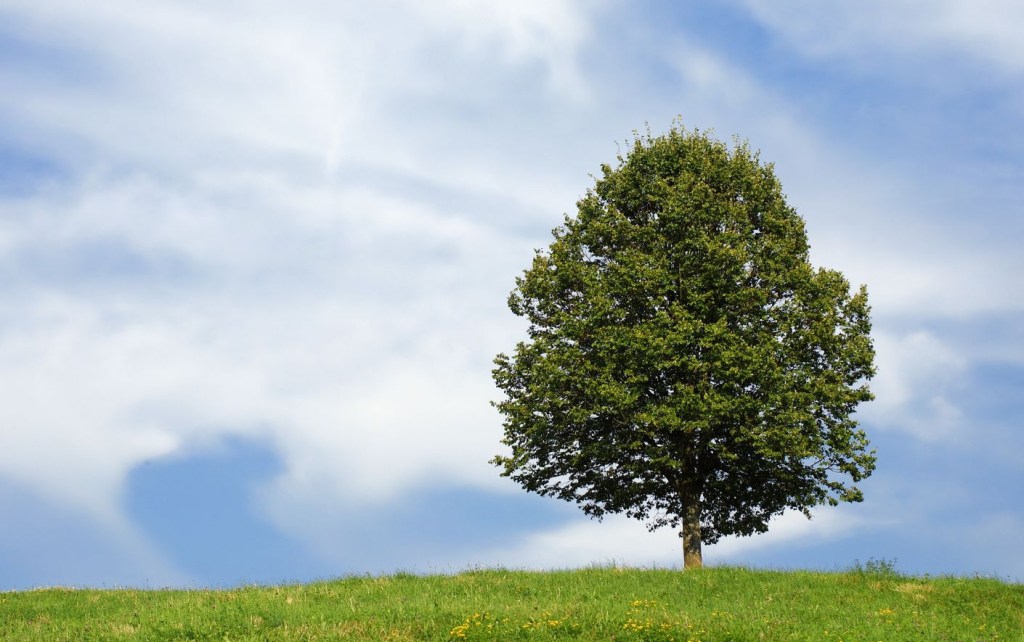
經文所說的是「一棵樹」,不是一支已經枯乾、折斷的枝子。一棵樹需要扎根在一個地方,經過時間、風雨和不同的季節,才會慢慢長大。
同樣,成熟的生命也不是在一次神蹟中突然形成,而是在一次又一次的困難中,學習呼求神、聽從神和信靠神。
從整本聖經的亮光來看,這棵樹也使我們想到基督的十字架。十字架原本代表痛苦、羞辱和死亡,神卻藉着十字架帶來救贖、醫治和新的生命。當基督進入我們生命的苦澀,祂能使傷痛成為醫治,使困難成為成長,使曠野成為更深認識神的地方。
神不只是要改變外面的水,也要改變百姓裏面的心。祂不只是要解決眼前的問題,更要藉着困難建立他們的信心。
三、聽從神的話,生命走向成熟
「你若留意聽耶和華你神的話,又行我眼中看為正的事,留心聽我的誡命,守我一切的律例……因為我耶和華是醫治你的。」——出埃及記15:26
神就在百姓發怨言的地方,為他們定下律例和典章,也在那裏試驗他們。
神的試驗不是要故意使他們失敗,而是要顯明他們真實的生命,教導他們在困難中聽從神,將所宣告的信仰真正活出來。
在紅海邊,他們用嘴唇宣告神是他們的拯救;在苦水面前,神要試驗他們能否在生活中繼續相信祂。
生命成熟的記號,不只是懂得唱詩和讚美,也不只是曾經歷過多少神蹟,而是在困難中仍然願意聽神的話,行神眼中看為正的事,守住與神的關係。
神也在這裏向他們啟示自己:「因為我耶和華是醫治你的。」
神不只醫治苦水,也要醫治以色列人的生命。他們在埃及作奴僕多年,內心充滿恐懼、不安、不信和埋怨。雖然他們的身體已經離開埃及,埃及所留下的奴僕心態仍然在他們裏面。
所以,神不只要將他們從埃及帶出來,也要將埃及從他們的生命裏帶出去。祂要醫治他們,使他們從容易埋怨的奴僕,成為懂得聽從和信靠神的百姓。
經文最後記載:
「他們到了以琳,在那裏有十二股水泉,七十棵棕樹;他們就在那裏的水邊安營。」——出埃及記15:27
當百姓面對苦水時,他們不知道前面已經有十二股水泉和七十棵棕樹。神沒有忘記他們,祂早已預備了充足的水、蔭庇和安息。
他們所看見的只是眼前的苦水;神所看見的,卻是前面豐盛的供應。
苦水不是終點,曠野也不是結局。只要他們繼續聽從和跟隨神,神必帶領他們進入祂所預備的供應與安息。
總結
出埃及記第15章帶領我們看見一條生命成長的道路:經歷拯救,使我們發出讚美;遇見困難,使我們學習信靠;聽從神的話,使我們走向成熟。
神不只希望我們在紅海分開時讚美祂,也希望我們在遇見苦水時仍然信靠祂。
真正成熟的生命,不是從來不會遇見苦水,而是在苦水面前不再只是埋怨,而是懂得向神呼求、聽從神的話,並相信神仍然掌管前面的道路。
也許我們今天所看見的仍然是苦水,但神已經在前面預備了水泉和棕樹。祂不只要解決我們眼前的困難,也要藉着這段經歷醫治我們、建立我們,使我們從讚美走向信靠,從信靠走向成熟。
省察
- 當我從敬拜回到日常生活,遇見困難時,我是繼續信靠神,還是很快便從讚美變成埋怨?
- 我是否願意聽從神的話,讓祂藉着今天所面對的困難,使我的生命更加成熟?
禱告
親愛的天父,感謝祢不但拯救我,也在每天的生活中建立和醫治我。求祢幫助我,不只在經歷恩典時讚美祢,也能在面對苦水時繼續信靠祢。使我懂得向祢呼求、聽從祢的話,讓我的生命在每一次考驗中不斷成長。即使今天還未看見出路,幫助我相信祢已經在前面為我預備供應和安息。奉主耶穌基督的名禱告,阿們。
Key Verse:
“So he cried out to the LORD, and the LORD showed him a tree. When he cast it into the waters, the waters were made sweet. There He made a statute and an ordinance for them, and there He tested them.” —Exodus 15:25 NKJV
Introduction
Exodus 15 begins with a joyful picture of worship.
The Israelites had just crossed the Red Sea. They saw God divide the waters, lead them through on dry ground, and defeat Pharaoh’s army. They had finally been delivered from the power of Egypt.
Moses and the Israelites sang to the Lord. Miriam took a tambourine and led the women in worship. Together, they declared who God was in their lives:
“The LORD is my strength and song, and He has become my salvation.” —Exodus 15:2 NKJV
They had heard about the God of their fathers, but now they had personally witnessed His power. Once they were slaves in Egypt; now they were the people whom God had redeemed.
However, praising God beside the Red Sea did not mean that their faith was already mature.
After three days in the wilderness, they found no water. When they finally found water, it was bitter and they could not drink it. Within only three days, their praise turned into complaining.
Miracles can move our emotions, but everyday difficulties reveal the true condition of our faith. God did not only want Israel to sing a song of praise; He wanted that song to become a faith they could live out each day.
From praise after a miracle, to trust in difficulty, and then to obedience in daily life, God was leading His people from a moment of excitement into spiritual maturity.
- Experience Deliverance and Respond with Praise
“I will sing to the LORD, for He has triumphed gloriously! The horse and its rider He has thrown into the sea!” —Exodus 15:1 NKJV
Moses, the Israelites, Miriam, and the women all worshipped God together. This was more than a celebration of victory. It was the response of people who had personally experienced God’s salvation.
They declared that the Lord was their strength, their song, their salvation, their warrior, and their eternal King.
True praise begins when we recognise what God has done, acknowledge who He is, and give all the glory back to Him.
However, praising God after a miracle does not mean that our faith is already mature. The Red Sea caused them to sing, but the wilderness would test whether they truly believed the words they had sung.
The real test is not how passionately we praise God after a miracle, but whether we still remember who He is when the next difficulty comes.
God does not only want us to sing a song of praise. He wants that song to become a living faith within us.
- Face Difficulties and Learn to Trust
“And the people complained against Moses, saying, ‘What shall we drink?’” —Exodus 15:24 NKJV
Three days earlier, the Israelites had declared that the Lord was their strength and salvation. Now, because they had no water to drink, they complained against Moses.
Their circumstances revealed the true condition of their hearts. They knew that God had divided the Red Sea, but they had not yet learned to trust Him for their daily needs.
We can also praise God for yesterday’s blessing but become worried by today’s problem. We may declare in worship that God is faithful, yet question whether He is still caring for us when life becomes difficult.
The people complained, but Moses cried out to God.
“So he cried out to the LORD, and the LORD showed him a tree. When he cast it into the waters, the waters were made sweet.” —Exodus 15:25 NKJV
The tree itself had no magical power. The bitter water became sweet because God gave the instruction and Moses obeyed.
A tree must remain rooted and grow through time, storms, and changing seasons. In the same way, a mature life is not formed through one miracle. It develops as we repeatedly learn to cry out to God, obey His voice, and trust Him through every difficulty.
In the light of the whole Bible, the tree also reminds us of the cross of Christ. The cross was once a symbol of suffering, shame, and death, but God used it to bring salvation, healing, and new life.
When Christ enters the bitter places of our lives, He can turn pain into healing, difficulty into growth, and the wilderness into a place where we know Him more deeply.
God did not only want to change the water; He also wanted to change the hearts of His people.
- Obey God’s Word and Grow into Maturity
“If you diligently heed the voice of the LORD your God and do what is right in His sight…I will put none of the diseases on you which I have brought on the Egyptians. For I am the LORD who heals you.” —Exodus 15:26 NKJV
At the very place where the people complained, God gave them a statute and an ordinance, and there He tested them.
God did not test them because He wanted them to fail. The test revealed their true condition and taught them to obey Him during times of difficulty.
At the Red Sea, they declared with their lips that God was their salvation. At the bitter waters, they were tested to see whether they would continue trusting Him in everyday life.
Spiritual maturity is not measured only by how well we worship or how many miracles we have experienced. It is revealed when we continue to hear and obey God’s Word, do what is right in His sight, and remain faithful to Him in difficult circumstances.
God then revealed Himself to them as:
“I am the LORD who heals you.”
God did not only heal the bitter water; He wanted to heal His people. Although they had physically left Egypt, fear, unbelief, and the mentality of slavery still remained in their hearts.
God did not only want to bring them out of Egypt. He also wanted to remove Egypt from within them, transforming complaining slaves into a people who trusted and obeyed Him.
After this, God led them to a place with twelve wells of water and seventy palm trees, where they rested beside the waters.
When the Israelites faced the bitter water, they did not know that abundant provision was already ahead of them. They saw only the bitterness before them, but God saw the place of refreshment He had already prepared.
The bitter water was not their final destination, and the wilderness was not the end of their journey. As they continued to follow God, He led them into His provision and rest.
Conclusion
Exodus 15 reveals a clear journey of spiritual growth:
- Experiencing deliverance leads us to praise.
- Facing difficulties teaches us to trust.
- Obeying God’s Word leads us into maturity.
God does not only want us to praise Him when the Red Sea opens. He also wants us to trust Him when the water is bitter.
A mature believer is not someone who never faces bitter circumstances. A mature believer has learned not merely to complain, but to cry out to God, obey His Word, and trust that He still holds the future.
Perhaps all we can see today is bitter water, but God has already prepared refreshment ahead of us. He will use every experience to heal us, strengthen us, and lead us from praise to trust, and from trust into maturity.
Reflection
- When I return to daily life after worship and face difficulties, do I continue to trust God, or does my praise quickly turn into complaining?
- Am I willing to obey God’s Word and allow Him to use today’s challenges to bring my life into greater maturity?
Prayer
Dear Heavenly Father, thank You not only for saving me, but also for shaping and healing me through everyday life. Help me to praise You when I experience Your goodness and to continue trusting You when the water becomes bitter. Teach me to cry out to You, obey Your Word, and grow through every test. Even when I cannot yet see the way forward, help me believe that You have already prepared provision and rest ahead of me. In the name of Jesus Christ, amen.


Leave a Reply